

Water damage is one of the most common and costly property issues facing homeowners and businesses today.
A burst pipe, appliance failure, roof leak, or severe weather event can quickly cause significant damage to a property. When that happens, waiting is rarely an option. Property owners need immediate help to prevent further damage and begin the recovery process.
That urgency has helped create a large and growing restoration industry built around helping homes and businesses recover from unexpected property damage.
For professionals exploring business ownership, water damage restoration is worth a closer look. The industry combines essential services, insurance-supported work, multiple paths for growth, and long-term demand drivers that continue to support the category’s future.
While every franchise opportunity should be evaluated carefully, water damage restoration has become an increasingly attractive option for growth-minded business owners looking to build a valuable business asset within an industry that serves a real and ongoing need.
What Is a Water Damage Restoration Franchise?
A water damage restoration franchise is a service-based business that helps property owners recover after water-related damage.
Services commonly include:
- Water extraction
- Structural drying
- Moisture monitoring
- Mold prevention
- Damage documentation
- Property cleanup and restoration
Water damage restoration companies often respond to situations such as:
- Burst pipes
- Appliance failures
- Roof leaks
- Flooding
- Storm damage
- Sewage backups
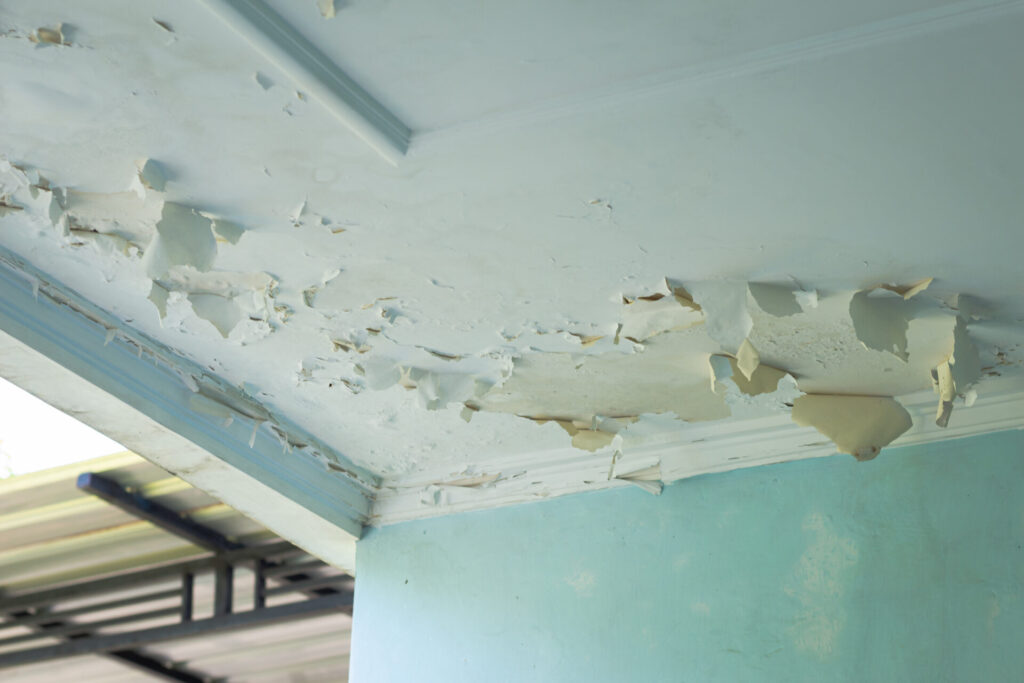
Most restoration businesses also provide additional services such as fire damage restoration, mold remediation, and storm recovery, creating multiple revenue opportunities throughout the year.
At True North Restoration, franchise owners are not limited to water damage restoration. Owners build businesses across multiple restoration service lines, creating diverse revenue streams and additional opportunities for growth.
Why Water Damage Restoration Continues to Attract Franchise Owners
Many professionals exploring business ownership are drawn to water damage restoration because it combines strong business fundamentals, long-term demand, and the opportunity to build a valuable business while helping people during challenging situations.
The industry offers:
- Essential services with ongoing demand
- Long-term industry growth drivers
- Insurance-supported revenue opportunities
- Multiple paths for growth and scalability
- The ability to build a valuable business asset
- Meaningful community impact
For many owners, the appeal is not simply generating income. It is the opportunity to build a profitable business that creates long-term value while helping people during some of their most challenging moments.
1. Water Damage Restoration Is an Essential Service
Water damage rarely happens at a convenient time. When a pipe bursts or a property floods, waiting is not an option.
Moisture spreads quickly through building materials, increasing the risk of structural damage, mold growth, and costly repairs.
Property owners need immediate assistance to stabilize the situation and begin recovery.
Unlike many businesses that depend on discretionary spending, restoration addresses urgent problems that require action regardless of economic conditions.
This need-based demand is one reason restoration is often considered a recession-resilient industry.
2. Demand Is Supported by Long-Term Industry Trends
Several long-term trends continue to support growth within the restoration industry.
Aging Infrastructure
Many homes and commercial properties across the country are aging, increasing the likelihood of plumbing failures, leaks, and water damage.
Severe Weather Events
Flooding, hurricanes, storms, and extreme weather events continue to create restoration needs in many markets.
Rising Property Values
As property values increase, owners often invest more heavily in restoring damaged assets rather than replacing them.
Ongoing Property Recovery Needs
Water damage remains one of the most common property insurance claims, creating consistent demand for restoration services.
Together, these trends support long-term industry relevance and growth.
3. Insurance-Supported Work Helps Create Stability
Many water damage restoration projects are funded through insurance claims.
When a covered loss occurs, restoration companies often work directly with insurance carriers, adjusters, and property owners throughout the recovery process.
This creates several advantages:
- Insurance-funded projects
- Recurring referral relationships
- Consistent project opportunities
- Reduced reliance on discretionary spending
Restoration businesses frequently develop referral relationships with:
- Insurance agents
- Property managers
- Plumbers
- Contractors
- Real estate professionals
These relationships often become valuable long-term sources of business.
4. Water Damage Restoration Businesses Can Scale
One of the most attractive aspects of restoration is its scalability.
Many owners begin with a relatively small team and grow over time as demand increases.
Growth often occurs through:
- Hiring additional technicians
- Expanding service capacity
- Adding vehicles and equipment
- Developing referral relationships
- Expanding service lines
- Pursuing larger and more complex projects
One reason many prospective franchise owners are attracted to restoration is that growth is not solely tied to the owner’s personal labor. As teams, equipment, referral relationships, and operational capabilities expand, the business can continue to grow beyond the founder’s individual capacity.
As businesses mature, many owners also pursue commercial work and large-loss restoration projects, creating opportunities for higher-value jobs and accelerated growth.
For franchise owners looking to build more than a lifestyle business, restoration offers a clear path toward creating long-term enterprise value.
5. Franchise Ownership Provides a Proven Path Into the Industry
Starting an independent restoration company requires building systems, processes, training programs, and operational infrastructure from scratch.
A franchise model can significantly shorten that learning curve.
At True North Restoration, owners benefit from:
- Comprehensive training
- Operational systems and support
- Proprietary technology
- Industry certifications
- Ongoing coaching
- Collaboration with fellow franchise owners
- Direct access to experienced leadership
Perhaps most importantly, restoration experience is not required.
Many successful franchise owners come from leadership, operations, sales, military, and entrepreneurial backgrounds rather than restoration itself.
The business is designed for owners who can lead people, build relationships, and execute proven systems.
How True North Restoration Supports Franchise Owners
True North Restoration was founded by experienced restoration operators who believed franchise owners should have access to stronger support, better systems, and more scalable tools for growth.
Today, owners benefit from:
- Decades of restoration and operational expertise
- Structured onboarding and training
- Ongoing operational coaching
- A collaborative owner network that shares knowledge and best practices
- Meaningful territory opportunities across many markets
In addition, True North continues to invest heavily in technology and innovation designed to help franchise owners operate more efficiently and scale more effectively.
A key part of that investment is True North Compass, the company’s proprietary operating platform. Compass helps centralize critical aspects of the business, including job management, team coordination, customer communication, operational reporting, and performance visibility.
As the restoration industry continues to evolve, True North believes technology will play an increasingly important role in helping owners operate more efficiently, make better decisions, improve customer experiences, and scale their businesses. The company’s continued investment in proprietary technology reflects its commitment to building for the future of restoration.
Rather than relying on disconnected systems and spreadsheets, franchise owners have access to technology built specifically for the restoration industry and designed to support growth.
This commitment to technology is part of a broader vision for the future of restoration: combining industry expertise, operational excellence, and innovation to help owners build stronger businesses.
Unlike many mature franchise systems where much of the growth has already occurred, True North offers franchisees the opportunity to build alongside a growing brand while helping shape its future. Owners benefit from a proven operational foundation, direct access to leadership, modern technology investments, and the opportunity to establish themselves in attractive markets while significant territory availability remains.
Is a Water Damage Restoration Franchise a Good Investment?
Every investment should be evaluated based on individual goals, financial resources, and risk tolerance.
However, many prospective franchise owners are attracted to water damage restoration because it combines:
- Essential services
- Insurance-supported revenue
- Long-term industry demand
- Multiple paths for growth
- Opportunities to build a valuable business asset
- Meaningful community impact
For professionals exploring franchise ownership, restoration offers the opportunity to build a business that solves real problems while creating long-term value.
Final Thoughts
The strongest franchise opportunities often combine industry demand, operational support, growth potential, and long-term relevance.
Water damage restoration checks each of those boxes.
For professionals seeking business ownership within an essential service industry, with opportunities for growth, scalability, and wealth creation, the restoration industry is worth exploring.
And for those looking to build alongside an emerging franchise brand backed by experienced operators, modern technology, meaningful territory opportunities, and a collaborative culture, True North Restoration offers a compelling path to ownership.
FAQ: Water Damage Restoration Franchise Ownership
Is a water damage restoration franchise profitable?
A water damage restoration franchise can be profitable because it provides essential services that property owners cannot delay. Many projects are funded through insurance claims, and businesses can grow by adding crews, equipment, service lines, referral relationships, and larger projects over time.
Why is restoration considered a good business to own?
Many prospective franchise owners are attracted to restoration because it combines essential services, insurance-supported work, long-term demand drivers, opportunities for growth, recession-resilient characteristics, and the ability to build a valuable business asset over time.
Do you need restoration experience to own a water damage restoration franchise?
No. Many successful owners come from leadership, sales, operations, military, and entrepreneurial backgrounds. Restoration experience is not required at True North Restoration.
How much does it cost to start a water damage restoration franchise?
The startup cost varies by franchise system, territory, and operational model. For True North Restoration, the estimated initial investment typically ranges from approximately $139,530 to $233,300. Candidates should review the Franchise Disclosure Document (FDD) for complete details.
Why is restoration considered a recession-resilient industry?
Water damage, storms, and property emergencies occur regardless of economic conditions. Because restoration services address urgent needs, demand often remains more stable than many discretionary industries.
How do water damage restoration companies get customers?
Many projects come from referral relationships with insurance professionals, plumbers, property managers, contractors, and local marketing efforts.
Can a restoration business grow over time?
Yes. Many restoration businesses scale by adding crews, equipment, service lines, referral relationships, and larger commercial projects.
What support does True North Restoration provide franchise owners?
True North Restoration provides training, operational systems, technology, ongoing coaching, industry expertise, and access to a collaborative network of fellow franchise owners.